
Meridian Institute of Medical Sciences
Gurugram, Delhi NCR · 1050 beds · NABH, JCI, NABL laboratory
View hospital profileOrthopaedics & Joint Replacement
Single or bilateral knee arthroplasty with globally sourced implants, robotic-assisted options and structured in-hospital physiotherapy.
Total knee replacement resurfaces the worn ends of the thigh bone and shin bone with metal and polyethylene components. For patients with advanced osteoarthritis it is one of the most reliably life-changing operations in modern surgery.
Indian joint replacement units use the same implant families sold in Europe and North America — the difference is in hospital overheads, not in the hardware going into your knee. Ask for the implant brand and catalogue number in writing before you accept any estimate.
| Procedure | India | USA | UK | Hospital stay | Days in India |
|---|---|---|---|---|---|
| Single knee replacement (cemented, standard implant) | USD 4,200 – 6,000 | USD 30,000 – 50,000 | USD 16,000 – 24,000 | 5 – 7 days | 18 – 21 days |
| Bilateral knee replacement (both knees, one admission) | USD 7,500 – 10,500 | USD 55,000 – 90,000 | USD 28,000 – 42,000 | 7 – 10 days | 24 – 28 days |
| Robotic-assisted knee replacement | USD 6,500 – 9,000 | USD 40,000 – 65,000 | USD 22,000 – 32,000 | 5 – 7 days | 18 – 21 days |
Ranges are indicative self-pay packages and exclude flights, visa fees and accommodation. Your written estimate comes from the hospital after a specialist reviews your reports.
Surgery under spinal anaesthesia in most cases; standing with support the same evening.
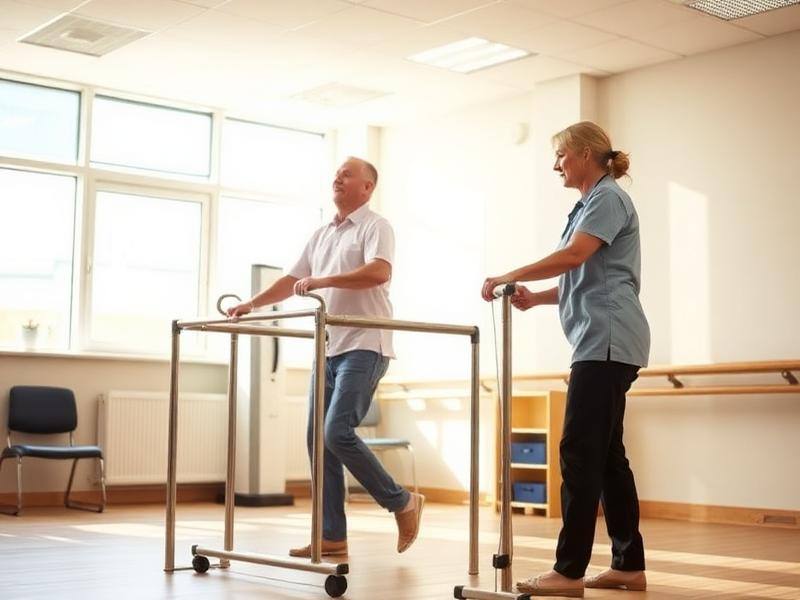
Twice-daily physiotherapy, walker training and knee bending targets.
Discharge once you can walk a corridor and climb a few stairs safely.
Local stay, suture removal, and clearance to fly with in-flight leg exercises.
Most patients walk unaided; swelling settles gradually over six months.
Gurugram, Delhi NCR · 1050 beds · NABH, JCI, NABL laboratory
View hospital profileNoida, Delhi NCR · 380 beds · NABH, NABL laboratory
View hospital profileIf both knees are equally worn and your heart, lungs and haemoglobin are fit, a single-sitting bilateral replacement saves one international trip and one recovery period. Your surgeon makes that call after the pre-anaesthetic workup.
For most patients over 60, a standard cemented cobalt-chrome implant is the evidence-backed default. High-flexion or oxidised zirconium implants cost more and are usually justified only for younger or more active patients.
Typically 14 to 21 days after surgery, once the wound is dry and your surgeon is satisfied there is no sign of clotting. Book an aisle seat and walk the cabin hourly.